
Optimizing Water Quality: The Role of Total Suspended Solids and Turbidity Measurement
For industrial facilities and municipal public works, maintaining water quality isn’t just about protecting the environment. It’s also critical for efficient operations, regulatory compliance, and financial stability. Exceeding discharge permit limits can lead to significant surcharges and fines, directly impacting the bottom line. Among the most common parameters leading to these violations is Total Suspended Solids (TSS). Reliable online TSS measurement is fundamental to navigating these challenges, turning a potential liability into an opportunity for process optimization and cost savings.
Why Total Suspended Solids Monitoring Matters
High levels of suspended solids in discharge water can have substantial financial consequences. Consider an industrial facility that processes 1,000,000 gallons of water per day. If it routinely operates just 20% over its TSS limit, it could face annual surcharges of $72,000 or more, with some plants paying as much as $250,000. This financial burden often stems from a lack of real-time, accurate water-quality data, making it challenging to manage treatment processes effectively.
Reliable TSS measurement is not just for avoiding penalties. It is essential for optimizing wastewater treatment processes. In biological treatment systems, for instance, suspended solids directly correlate to the biomass—the “workers” or bacteria—responsible for breaking down pollutants. Key process control parameters like Sludge Retention Time (SRT) and the Food-to-Microorganism (F/M) ratio depend on accurate solids measurement. Proper control of these factors can increase treatment capacity, improve aeration efficiency, and ensure stable nutrient removal, all of which contribute to a more robust and cost-effective operation.
Key Differences Between TSS and Turbidity
While often discussed together, TSS and turbidity are distinct parameters. Understanding their differences is crucial for selecting the right measurement methods.
- Total Suspended Solids (TSS): This is a quantitative, gravimetric measurement of the total amount of solid material suspended in a water sample. The standard method involves filtering a known volume of water, drying the collected residue on the filter, and weighing it. The result is expressed in milligrams per liter (mg/L). This is a direct measurement of solids but is a time-consuming lab procedure.
- Turbidity: This is an optical measurement of water clarity. It measures how much light is scattered by suspended particles. Turbidity is not a direct measurement of solids concentration, as particle size, shape, and color can all affect how light scatters. Results are typically reported in Nephelometric Turbidity Units (NTU) or Formazin Nephelometric Units (FNU), depending on the light source and method used.
While there isn’t a universal conversion factor between turbidity and TSS, a site-specific correlation can be established. By correlating fast, easy online turbidity measurements to the more labor-intensive gravimetric TSS lab tests, operators can gain real-time insight into their solids levels.
Challenges of Traditional Measurement Methods
The traditional method for TSS measurement—grab sampling followed by gravimetric analysis in a lab—presents several challenges for process control. The primary issue is the time delay. The process of filtering, drying, and weighing can take hours, meaning the results reflect a condition that has long since passed.
Wastewater processes are dynamic, with solids concentrations fluctuating significantly throughout the day. A single grab sample is merely a snapshot in time and may not be representative of the overall process. An operator might pull a sample during a period of low solids, missing a spike that occurs just an hour later and leads to a permit violation. This inability to capture the full picture makes it nearly impossible to time the market and proactively manage the treatment process.
Modern Solutions for Accurate Measurement
To overcome the limitations of manual sampling, water management facilities employ online TSS sensors. These probes provide continuous, real-time data, allowing for automated process control and immediate response to changing conditions.
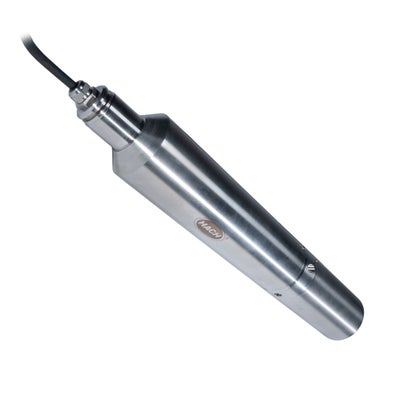
Online sensors, like the Solitax sc or TSS sc probes, are installed directly into a process tank or pipe. They use light scattering principles (nephelometry), often with multiple detectors and light sources, to accurately identify suspended particle sizes. The connected controller (ex, SC4500), in turn, correlates the result to a total suspended solids concentration based on a user-definable calibration factor derived from actual gravimetric sample analysis results. Key features of these modern solutions include:
- Continuous Data: Get a complete view of your process, not just a snapshot. This allows for the identification of trends and the tracing of upset events back to specific activities, such as spills or shift changes.
- Process Optimization: Use real-time TSS data to automate chemical dosing in systems like Dissolved Air Flotation (DAF) units. This feed-forward and feedback control optimizes chemical usage, reduces costs, and ensures consistent effluent quality.
- Reduced Operator Interaction: Automation minimizes the need for manual adjustments and frequent grab sampling, freeing up operator time for other critical tasks.
- Durability and Reliability: Designed for harsh environments, many probes feature self-cleaning wipers to prevent fouling and integrated software to compensate for interferences like air bubbles, ensuring accurate and reliable readings.
A tissue mill, for example, struggled with high rates of expensive fiber loss in its wastewater. By installing online TSS sensors at key points, the mill was able to trace fiber loss to specific machines and events. This continuous monitoring allowed them to optimize their processes, reducing water discharge by nearly 47% and cutting fiber loss by half a ton per day.
The Clear Path to Better Water Management
In water quality management, what you can’t measure, you can’t control. Relying on periodic grab samples for a dynamic process like wastewater treatment is like driving while only looking in the rearview mirror. Adopting modern, online TSS and turbidity measurement technologies provides the real-time visibility needed to move from reactive problem-solving to proactive process optimization. This shift not only helps ensure regulatory compliance and avoid costly surcharges but also unlocks significant improvements in operational efficiency and resource management.
Watch the Supercharge Your Solids and Turbidity Measurements webinar and learn more.
Additional Resources

Optimize Total Suspended Solids (TSS) & Turbidity Measurement
go to HACH.COMAccurate measurement of Total Suspended Solids (TSS) and turbidity is vital for effective water quality management across municipal, industrial, and wastewater environments. Real-time insights into solids concentrations empower operators to improve...
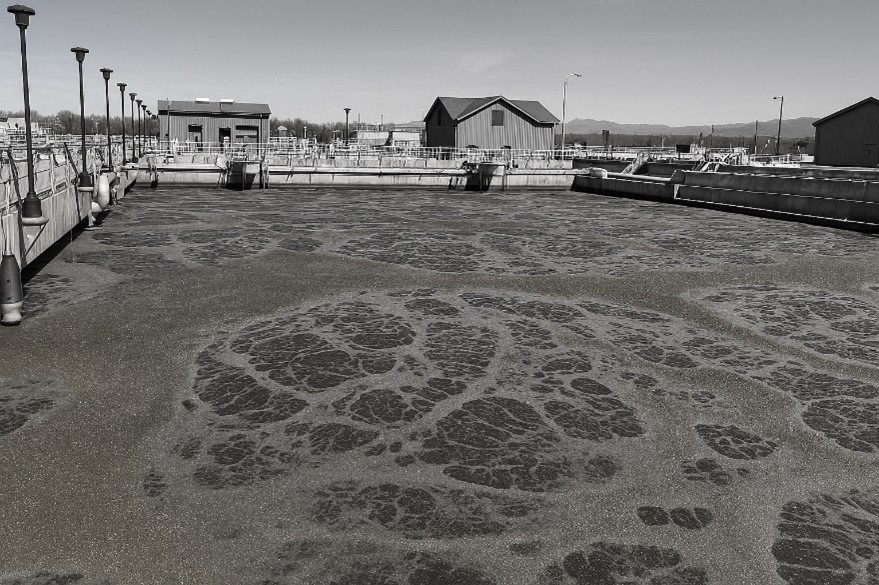
Breaking Down Phosphorus Removal in Wastewater Treatment
go to HACH.COMEfficient phosphorus removal is a complex yet essential process for wastewater treatment facilities that have regulatory requirements. Facing fluctuating influent conditions, operational cost pressures, and regulatory requirements, many facilities...
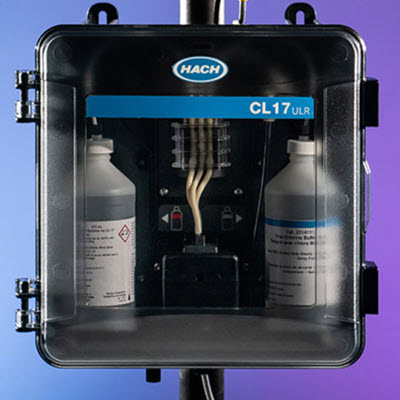
Accurate Chlorine Measurement for Water Quality Monitoring
go to HACH.COMAccurate chlorine monitoring is crucial for maintaining compliant water quality and providing efficient process control, but choosing the right technology can be complex. Inaccurate readings can lead to regulatory issues, process inefficiencies, and...
Privacy Policy | Cookie Policy | Cookie Settings | Do Not Sell or Share My Data
©Hach All rights reserved.