
Accurate Chlorine Measurement for Water Quality Monitoring
Accurate chlorine monitoring is crucial for maintaining compliant water quality and providing efficient process control, but choosing the right technology can be complex. Inaccurate readings can lead to regulatory issues, process inefficiencies, and public health risks. Understanding the differences between amperometric and DPD colorimetric analysis is essential for achieving both compliance and process control.
The Importance of Accurate Chlorine Measurement
Chlorine is a powerful and cost-effective disinfectant, making it the primary choice for drinking water treatment. Federal regulations (SDWA) require maintaining residuals between 0.2 and 4.0 mg/L at the point of entry into the distribution system. Many individual states have similar requirements for maintaining chlorine residual throughout the distribution systems. Meeting these targets, especially at the lower end, demands accurate measurement of chlorine concentration.
Two common methods for online monitoring of chlorine residual are amperometric sensing technology and DPD colorimetric analysis. While both methods may provide sufficient accuracy for continuous monitoring, choosing the right instrument for your specific application is the key to getting dependable results. The DPD colorimetric technology based on Standard Method 4500‑Cl G is listed in 40 CFR 136.3 and 40 CFR 141.131, while using amperometric sensors for compliance requires site-specific approval under EPA Method 334.0. The latter involves rigorous testing to meet IDC – initial demonstration of capability.
Key Factors in Chlorine Analysis
Several variables can impact the accuracy of your readings. Understanding and controlling these factors is crucial for effective disinfection.
- Free and Total Chlorine: Free chlorine provides the strongest disinfection. When it reacts with substances containing ammonia it forms combined chlorine (inorganic chloramines) with reduced disinfecting strength, and organic chloramines that have none. Total chlorine includes both free and combined species (inorganic and organic), making proper differentiation important for process optimization.
- Reagents vs Reagentless: depending on state and local regulations, having reagents in the discharge may require sanitary drain, which may not be available at some locations. This factor may justify choosing reagentless technologies represented by amperometric sensors.
- pH Levels: The pH of the water determines the type and amount of chlorine species in water. Amperometric sensors respond only to HOCl, making stable and known pH essential. DPD measures both HOCl and OCl⁻, reducing sensitivity to pH variations.
- Flow Rate and Pressure: These factors are critical for amperometric systems. Instability can skew readings and lead to improper dosing. Proper flow and pressure are critical, especially for amperometric analyzers.
Choosing the Right Chlorine Analyzer
Selecting the right online instrument involves a few steps: evaluating performance specifications, technological differences, maintenance requirements, and the fit to the application.
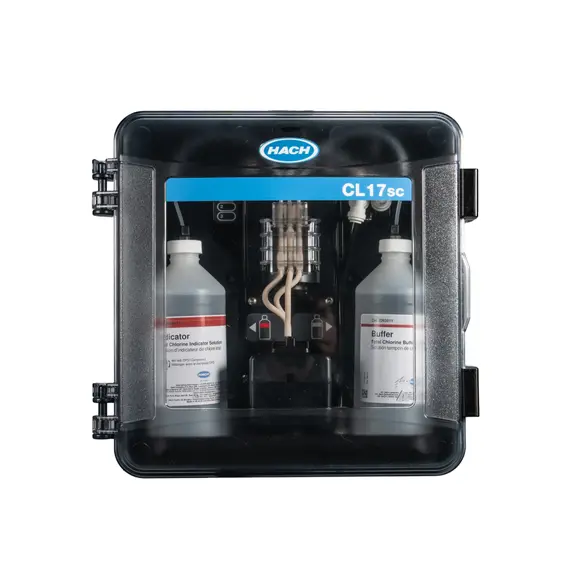
DPD Colorimetric Analyzers: The CL17sc
Any DPD colorimetric system is based on batch analysis which is a continual method ideal for applications requiring high accuracy. Key features of the CL17sc process chlorine analyzer include:
- High Accuracy without Calibration: The DPD colorimetric technology is based on the law of physics postulating proportionality of the light absorbance to chlorine concentration. This provides exceptional stability for the default calibration curve that does not require adjustments. The CL17sc has a calibration curve providing limit of detection (LOD) of 0.03 mg/L and 0.008 mg/L for the ultra-low range (ULR) CL17sc version. These specifications offer excellent confidence at very low chlorine levels.
- Visual Management: A bright three-color light allows operators to check the analyzer’s state visually from a distance and the status lights show what part of the measurement cycle is now active.
- Simplified Maintenance: Based on a 2.5-minute cycle time (continual operation), CL17sc provides a very predictable maintenance schedule. Routine care typically involves cleaning the colorimeter when replacing reagents (every 30 days) and tubing change every six months that takes less than 5 minutes total. The preassembled tubing harness is designed for quick replacement, significantly minimizing downtime.
Amperometric Probes
Amperometric technology is based on proportionality of electrical current (generated by oxidation-reduction reactions on the electrodes) to chlorine in the water. It offers reagentless operation and continuous monitoring with fast response to changing chlorine concentration. However, the accuracy of any amperometric sensor is highly dependent on calibration and sample conditions.
- Periodic Calibration is a must because the electrochemical reactions consume the electrode material, and therefore the balance needs to be restored by adjusting readings against a reference method. Typically, the reference method is DPD colorimetric analysis of a grab sample.
- Stable pH and Temperature are the key for good performance of any amperometric sensor, because changing pH and temperature affect the chlorine species, therefore pH and temperature must be compensated.
- Constant Power, Flow and Chlorine Presence: For applications where flow and chlorine feed can be intermittent, maintaining a constant chlorinated sample supply to the amperometric probe is essential. In prolonged absence of chlorine, the probe may lose its sensitivity (fall “asleep”). A backup water source or system to ensure continuous sample delivery may be necessary. All those factors including power outages may affect performance of chlorine sensors and require recalibration after the event.
- Routine Maintenance: Besides frequent calibration dependent on sample conditions, amperometric systems typically require replacing the membrane and electrolyte every 3 to 6 months. Even the membrane-less (bare-electrode) amperometric sensors are not immune to various maintenance requirements and system discharge may be a subject for regulatory restrictions. One thing to remember is that reagentless technology does not mean it is maintenance-less.
Best Practices for Reliable Monitoring
To ensure stable performance and get the most accurate results from your chlorine monitoring instruments, consider the following:
- Proper Application and Installation: Utilize a chlorine analyzer in its intended application and always install it per the manufacturer guidelines. Ensure the correct sample flow that usually is less restrictive for DPD systems. For example, for CL17sc, pick the right sample conditioning kit based on your sample pressure and mount standpipes correctly.
- Sample Conditioning: For DPD analyzers like CL17sc the turbidity should be below 30 NTU. The regular Y-strainer will take care of sample filtration in all intended (clean water) applications. For other applications a proper sample filtration system should be implemented, which will minimize unexpected flow losses and cleaning needs.
- Understand Instrument Limits: Regularly calibrating amperometric sensors and verifying the readings of colorimetric analyzers is good practice. Calibration refers to adjusting coefficients, while verification does not. The frequency of these procedures should be established in an SOP that should clarify the difference between these procedures. The SOP should guide the comparison of results from two different analyzers, outlining the expected difference which should be within the sum of their accuracy specs or LODs. For example, free chlorine analysis on the SL1000 has LOD of 0.04 mg/L and accuracy of ±5%. Therefore, when the readings are compared with CL17sc (LOD = 0.03 mg/L, accuracy ±5%) the allowed discrepancy should be within 0.04 + 0.03 = 0.07 mg/L or ±10%, whichever is greater. Applying this logic to verification will show if any adjustment of calibration coefficients is necessary – if the difference is within the expected range as illustrated above, no adjustment of gain and/or offset is necessary. Following this guideline will reduce interactions with process analyzers and minimize unexpected consequences of unnecessary calibrations.
Hach provides both DPD and amperometric chlorine monitoring solutions, allowing operators and engineers to select the most appropriate technology for maintaining safe, reliable, and compliant water treatment processes.
Learn more about online chlorine monitoring.
Additional Resources

Optimize Total Suspended Solids (TSS) & Turbidity Measurement
go to HACH.COMAccurate measurement of Total Suspended Solids (TSS) and turbidity is vital for effective water quality management across municipal, industrial, and wastewater environments. Real-time insights into solids concentrations empower operators to improve...
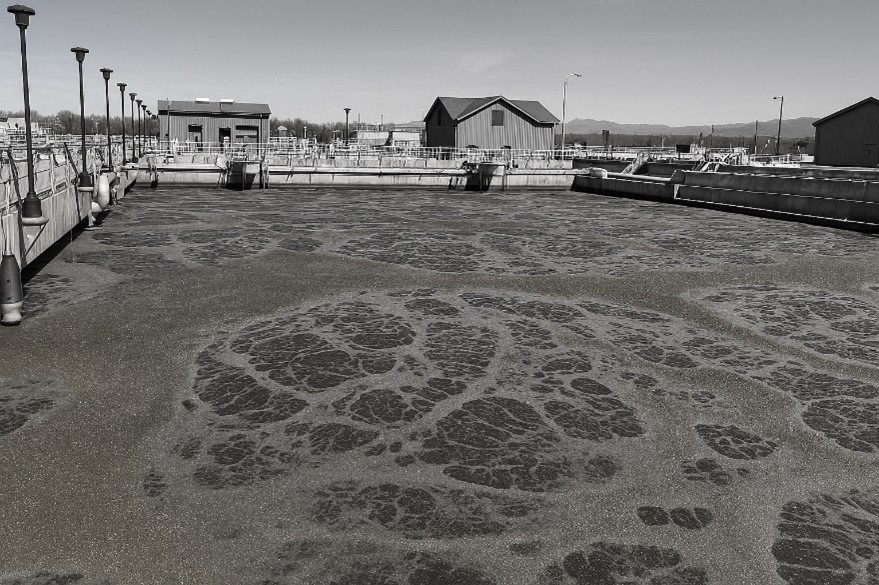
Breaking Down Phosphorus Removal in Wastewater Treatment
go to HACH.COMEfficient phosphorus removal is a complex yet essential process for wastewater treatment facilities that have regulatory requirements. Facing fluctuating influent conditions, operational cost pressures, and regulatory requirements, many facilities...
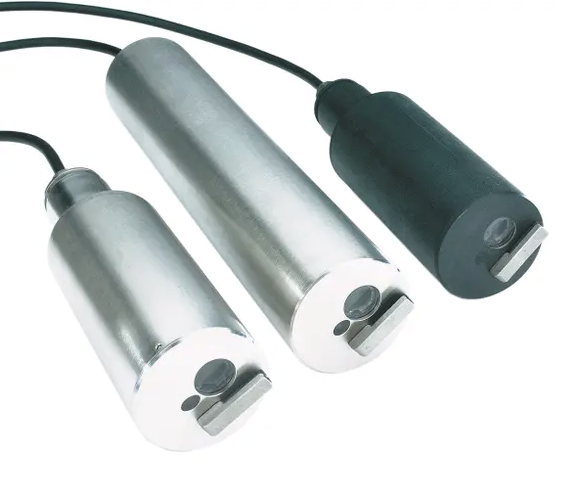
Optimizing Water Quality: The Role of Total Suspended Solids and Turbidity Measurement
go to HACH.COMFor industrial facilities and municipal public works, maintaining water quality isn't just about protecting the environment. It's also critical for efficient operations, regulatory compliance, and financial stability. Exceeding discharge permit limits...

Privacy Policy | Cookie Policy | Cookie Settings | Do Not Sell or Share My Data
©Hach All rights reserved.