
Maximizing Phosphorus Removal
Phosphorus removal plays a critical role in protecting waterways, meeting permit requirements, and managing treatment costs. But optimizing phosphorus treatment isn’t always straightforward, especially when processes, influent conditions, and system constraints vary from plant to plant.
In this on-demand webinar, wastewater experts from Hach share practical insights to help utilities evaluate phosphorus removal strategies, identify opportunities for improvement, and make more informed decisions about treatment and monitoring.
What You’ll Learn
This session focuses on real-world phosphorus removal challenges and how utilities can address them through better process understanding and measurement strategies. Topics include:
- Key considerations for effective phosphorus removal in wastewater treatment
- Common challenges utilities face when trying to optimize nutrient removal
- How phosphorus removal decisions impact chemical usage and operating costs
- Practical observations from real wastewater applications
- How measurement and monitoring support better process control and long-term planning
Whether you’re operating an existing facility or planning future upgrades, this session offers actionable insights to support more confident decision-making.
Watch the On-Demand Webinar
Gain practical perspective from wastewater applications experts and explore how thoughtful phosphorus removal strategies can support compliance, efficiency, and system resilience.
Why Phosphorus Removal Can Be Challenging
Phosphorus exists in multiple forms, and not all testing methods measure the same thing. Understanding what you’re measuring—and why—matters when evaluating performance, troubleshooting issues, or communicating results internally and externally.
In wastewater applications:
- Orthophosphate is the only form measured directly.
- Condensed phosphates must be converted to orthophosphate through digestion before measurement.
- Total phosphorus requires a more rigorous digestion step to capture all phosphorus forms.
Without clarity on test methods and results, it can be difficult to accurately assess treatment performance or identify improvement opportunities. The right measurement approach provides confidence in both day-to-day operations and long-term planning.
Talk with a Wastewater Specialist
Every treatment system is different. If you’re looking for guidance tailored to your facility—whether related to phosphorus removal, monitoring strategies, or process optimization—our team is here to help.
Connect with a Hach wastewater specialist to discuss your application.
Additional Resources
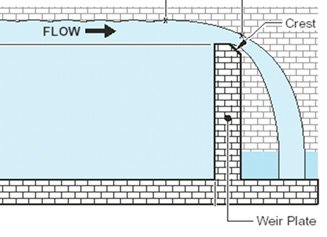
Pairing Digital Flow Sensors with the Hach AS950 Automatic Sampler
go to HACH.COMIntroduction When the Hach® AS950 Automatic Sampler launched in 2015, we were excited to offer the option to connect digital flow sensors to the controller. Digital flow sensors can be used for collecting flow proportional samples, as well as triggering...

Optimize Total Suspended Solids (TSS) & Turbidity Measurement
go to HACH.COMAccurate measurement of Total Suspended Solids (TSS) and turbidity is vital for effective water quality management across municipal, industrial, and wastewater environments. Real-time insights into solids concentrations empower operators to improve...
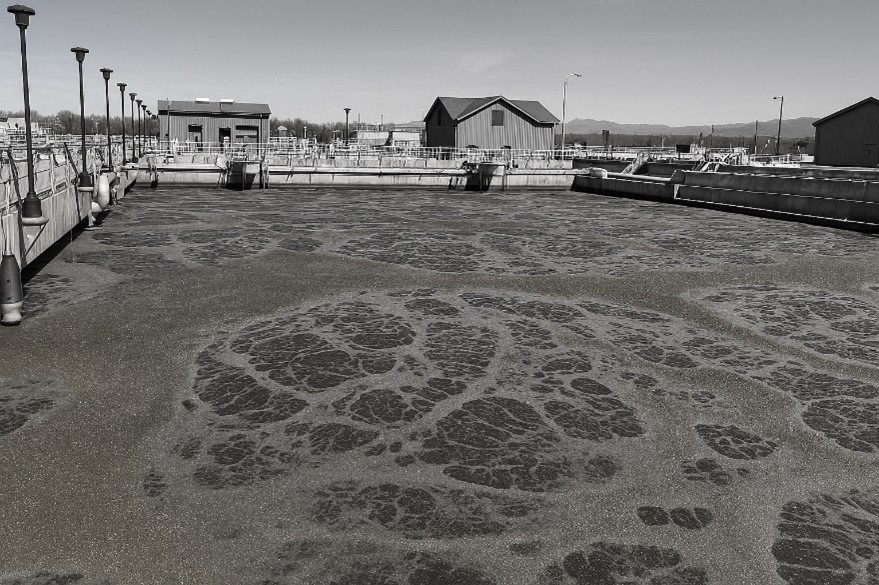
Breaking Down Phosphorus Removal in Wastewater Treatment
go to HACH.COMEfficient phosphorus removal is a complex yet essential process for wastewater treatment facilities that have regulatory requirements. Facing fluctuating influent conditions, operational cost pressures, and regulatory requirements, many facilities...

Privacy Policy | Cookie Policy | Cookie Settings | Do Not Sell or Share My Data
©Hach All rights reserved.