
What You Need To Know About In-House Wastewater Based Epidemiology
Since early 2020, we have learned a lot about COVID-19 and the SARS-CoV-2 virus that causes it. But presymptomatic and asymptomatic transmission, plus gaps in testing and contact tracing, have made it hard to pinpoint the virus and take appropriate protective actions against outbreaks. Today, streamlined sampling and testing (eligible for CARES Act funding) are making in-house wastewater testing one of the least invasive and most reliable early warning systems available.
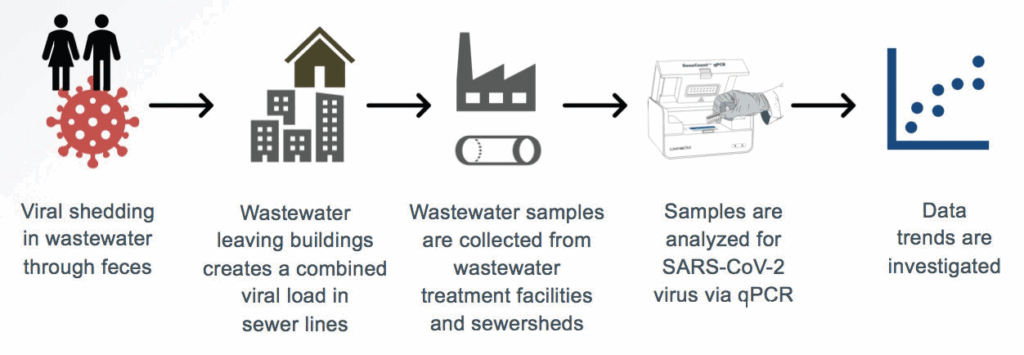
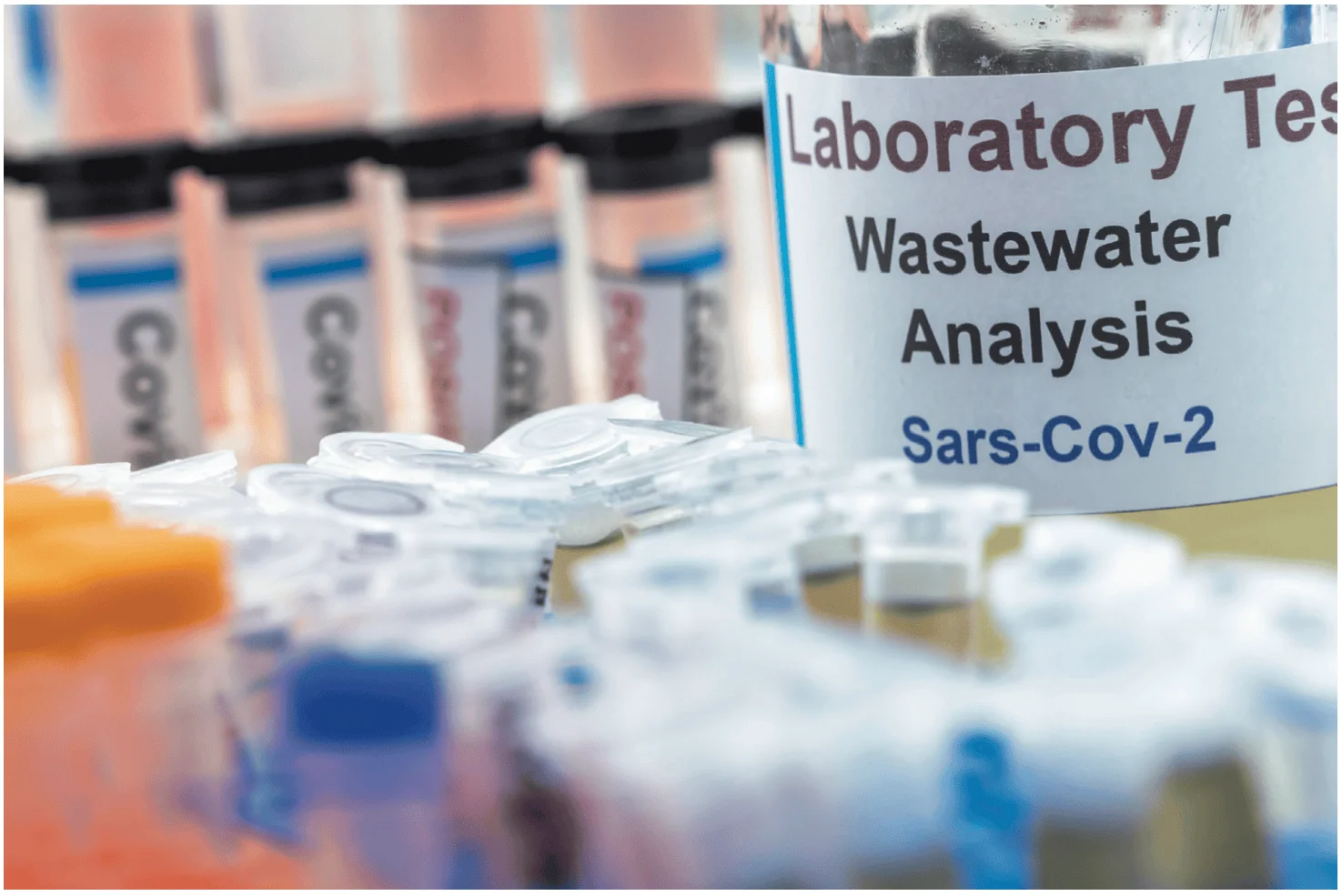
Some of the earliest adopters of wastewater testing for SARS-CoV-2 presence were universities that already had the right equipment and personnel in their science labs. But now that more comprehensive testing solutions and cost-effective sampling options are readily available, wastewater utilities are learning that obtaining valuable readings is more practical and affordable than originally anticipated (Figure 1). Being able to provide more granular data for public-health decisions in their community is enabling wastewater utilities to have greater impact in protecting their most vulnerable customers.
Learn more about COVID-19 wastewater solutions
Download COVID-19 Sampler Flyer (PDF)
Debunking Myths About Wastewater Based Epidemiology
- “It’s Too Hard.” While quantitative polymerase-chain-reaction (qPCR) technology is powerful, the technical knowledge and skills required to obtain results from a purpose-specific testing solution in just a few hours are comparable to those required for wastewater nutrient or organics testing. Turnkey solutions, including instrumentation, labware, reagents, and simplified RNA separation, can deliver results in about two hours. Testing personnel use the same PPE gloves and masks as when testing for E. coli, norovirus, etc.
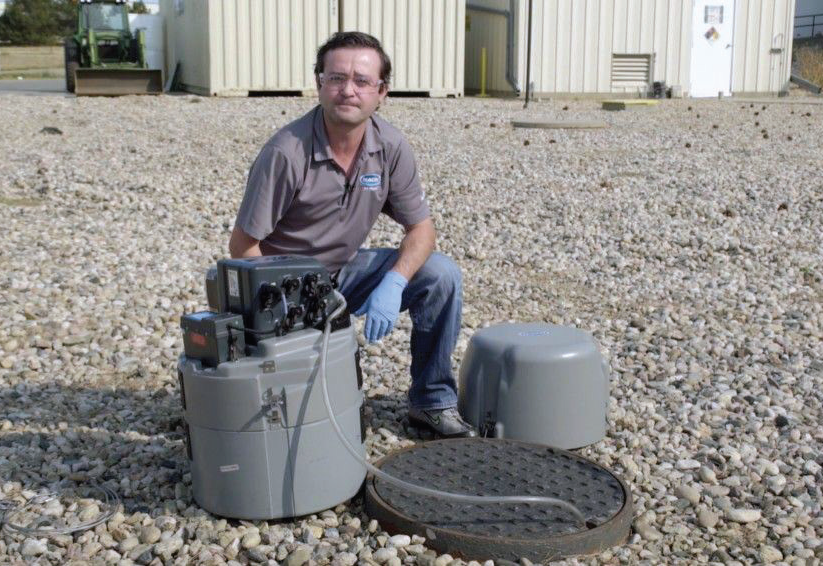
- “It’s Too Expensive.” Compared to manual grab samples shipped to external, third-party labs, automatic sample collection (Figure 2) and robust in-house qPCR instrumentation offer faster results and a much lower out-of-pocket cost per test. Better yet, those same capabilities add capacity for additional process-control, water-quality, and health-issue testing (e.g., problematic bacteria in a wastewater treatment train, E. coli-induced beach closings, on-site testing for Legionella threats in potable water systems). Equipment costs are comparable to other common wastewater lab instrumentation such as spectrophotometers.
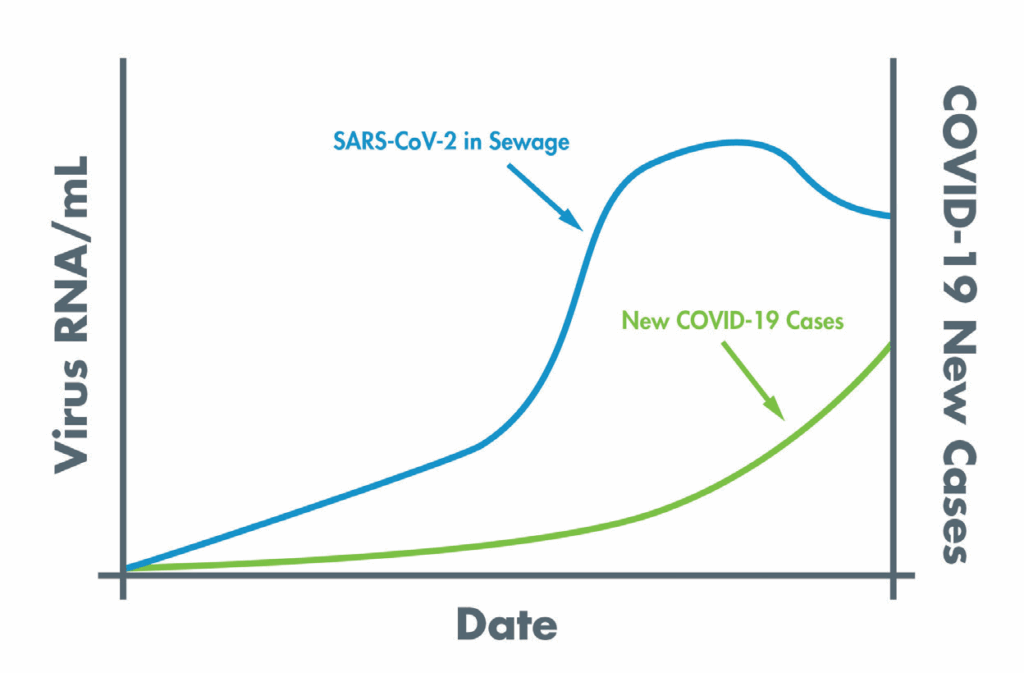
- “It’s Too Late To Do Anything With The Information Anyway.” While wastewater testing reveals SARS-CoV-2 presence only after people have been infected, announcing a spike in wastewater presence via media or social media can encourage precautionary behavior. At the University of Denver, sharing same-day information with administrators, health authorities, and decision-makers enabled more effective decisions sooner (Figure 3).
- “With The Introduction Of Vaccines, Is Epidemiology Testing Even Necessary?” Despite vaccination efforts, epidemiologists warn of the need to remain vigilant for a year or longer due to overwhelming demand and delays in vaccine distribution, anti-vaccine resistance, seasonal resurgence, and the potential for new viral mutations. As infection rates drop and personal testing decreases, ongoing wastewater monitoring can act as a ‘canary in the coal mine’ to detect resurgence in viral presence.
Calculate The Benefits To Be Achieved
The underlying technology in the world’s first onsite, rapid qPCR wastewater-testing solution accelerates the potential to identify viral presence as an advance warning system for increased risk in local communities, making it easier to achieve:
- Faster Results. In-house testing maintains control over sampling locations, test frequency, and costs, with results available in as little as two hours vs. up to seven days for third-party lab testing.
- Highly Accurate Testing. Existing lab personnel using self-contained qPCR instruments and assay kits can generate reliable results from even trace amounts of virus in wastewater.
- Lower Costs Per Test* Quicker results also come at a fraction of the cost for mail-in, third-party testing — around $40 per in-house test vs. $200–$600 per third-party test.
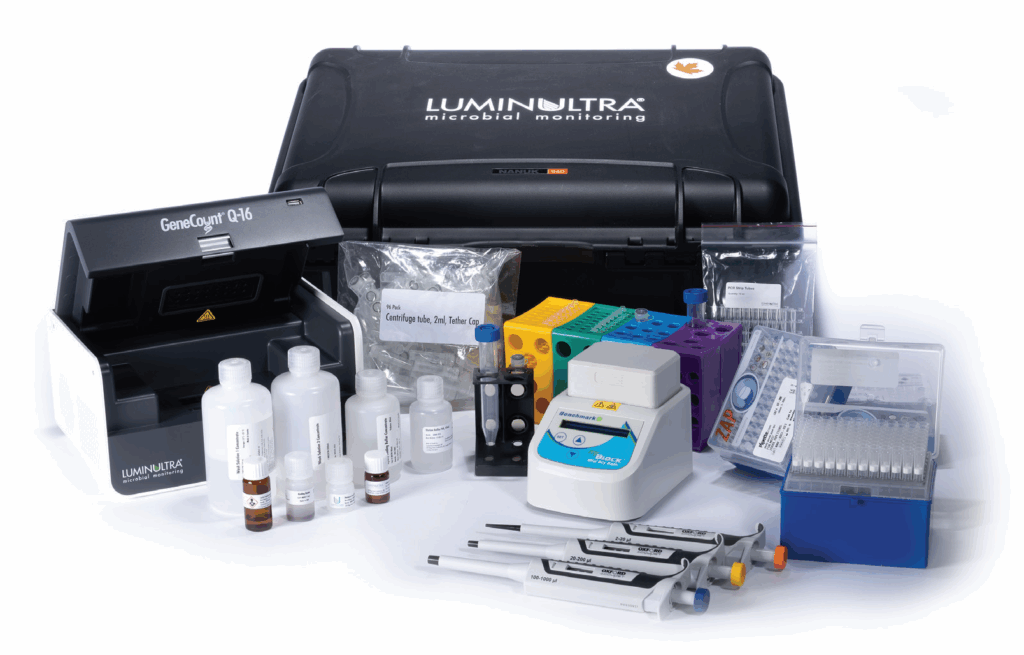
- A Comprehensive Solution. Complementing rapid qPCR technology with automatic sampling, a purpose-specific SARS-CoV-2 assay, and task-specific training makes timely testing capabilities easily accessible to any wastewater lab technician (Figure 4).
| Testing Method | Cost Per Test | Result Time |
|---|---|---|
| In-House qPCR | ~$40* | ~2 hours |
| Third-Party Lab | $200 – $600+ | Up to 7 days |
Turn Open Concerns Into Actionable Information
The opportunities afforded by in-house testing are reliable and desirable for public wastewater utilities tasked with informing local public-health officials and high-risk customers, as well as for independent wastewater testing/consulting firms needing to address private-client concerns:
- Document Rapidly Changing Trends. While SARS-CoV-2 presence in wastewater does not quantify the exact number of human COVID-19 cases or identify specific individuals, trends in the overall viral load have been documented as reliable advance indicators of increasing or decreasing risk.
- Support Public-Health Decisions. In-house wastewater testing provides important insights decision-makers need to adapt public-health guidelines to new spikes in SARS-CoV-2 presence or evaluate impacts of previously issued guidelines. As the primary analysts of system-wide or zone-specific SARS-CoV-2 presence in the collection system, wastewater utilities can play a collaborative role in improved response to local threats.
- Deliver Value-Added Service For Customers. Large wastewater customers—such as schools, universities, senior-care facilities, penitentiaries, and even large commercial entities—can benefit from insight into their specific, shared-space communities. Portable automatic samplers that collect targeted samples from strategic locations can help such organizations maintain a higher degree of normalcy through informed management decisions, take quick action to tamp down infection flare-ups, and better protect the interests of employees and residents.
Take The Next Steps Toward Improved COVID-19 Insight
For wastewater operations looking to evaluate SARS-CoV-2 wastewater monitoring, working closely with an experienced provider of wastewater epidemiology surveillance solutions can provide expanded insight into various testing options and the practical and financial benefits of each. That can include mail-in testing for ad-hoc spot checks; ongoing, timely, and affordable in-house sampling and testing programs; and even guidance on securing CARES Act funding for those capabilities.
Learn more about COVID-19 solutions
Explore Hach AS950 Portable Samplers
Download the Wastewater Surveillance Guide
- *After instrument purchase. ↩
Additional Resources
Pairing Digital Flow Sensors with the Hach AS950 Automatic Sampler
go to HACH.COMIntroduction When the Hach® AS950 Automatic Sampler launched in 2015, we were excited to offer the option to connect digital flow sensors to the controller. Digital flow sensors can be used for collecting flow proportional samples, as well as triggering...
Maximizing Phosphorus Removal
go to HACH.COMPhosphorus removal plays a critical role in protecting waterways, meeting permit requirements, and managing treatment costs. But optimizing phosphorus treatment isn’t always straightforward, especially when processes, influent conditions, and system...

Optimize Total Suspended Solids (TSS) & Turbidity Measurement
go to HACH.COMAccurate measurement of Total Suspended Solids (TSS) and turbidity is vital for effective water quality management across municipal, industrial, and wastewater environments. Real-time insights into solids concentrations empower operators to improve...
Privacy Policy | Cookie Policy | Cookie Settings | Do Not Sell or Share My Data
©Hach All rights reserved.